

Feeling safe at home is important, whether you live in a busy neighbourhood or a quiet residential area. Many homeowners consider installing security cameras to keep an eye on their property, monitor visitors and feel more comfortable when they are away. However, before spending money on a CCTV system, it is worth asking whether you actually need one.
CCTV cameras installation can be a useful addition to home security, but they are not necessary for every household. The right decision depends on your property, lifestyle, security concerns and budget. Understanding how these systems work and what to consider before installation can help you make a more informed choice.
When Should You Consider Installing CCTV Cameras at Home?
There are several situations where CCTV cameras in penrith and western sydney can provide additional security.
If your property has multiple entry points, a large driveway, a backyard or areas that are difficult to monitor, security cameras can help you keep track of activity around your home.
They may also be worth considering if:
• You frequently travel or spend extended periods away from home.
• Your property has experienced previous break ins or suspicious activity.
• You have valuable outdoor equipment, vehicles or other belongings.
• You want to monitor visitors approaching your front entrance.
• You regularly receive deliveries and want to see when packages arrive.
For families, CCTV cameras can also provide a convenient way to check who is approaching the property.
However, cameras should be considered part of a wider home security approach rather than a complete replacement for secure doors, locks, outdoor lighting and other safety measures.
What Are the Benefits of Having CCTV Cameras at Home?
One of the biggest advantages of a CCTV system is the ability to monitor your property without being physically present.
Modern security cameras offer several useful features that can make everyday home monitoring easier.
Remote Monitoring
Many modern CCTV systems allow homeowners to view live camera footage through a mobile application. This means you can check your property while travelling, working or spending time away from home.
Recorded Footage
Depending on the recording system, cameras can store footage that may be useful when reviewing an incident. This information can help homeowners understand what happened and may assist when reporting an incident to the police.
Greater Awareness of Visitors
A camera near the entrance can help you identify visitors and delivery drivers before opening the door.
Additional Security Deterrent
Visible security cameras may discourage opportunistic intruders from targeting a property. However, cameras cannot guarantee that a break in will not occur.
These benefits make cctv installation worth considering for homeowners who want better visibility and monitoring around their property.
How Many CCTV Cameras Do You Actually Need?
A common question homeowners ask is how many cameras are necessary to secure a house.
The answer depends on the property’s size, design and potential security risks. Installing more cameras does not automatically mean better protection. What matters is whether the important areas are covered properly.
For a typical home, you may want to consider cameras in the following locations:
Front Entrance: Helps monitor visitors, deliveries and activity near the main door.
Driveway: Allows you to observe vehicles entering and leaving your property.
Backyard: Provides visibility around rear access points and outdoor spaces.
Garage: Helps monitor vehicles, tools and stored belongings.
Side Access Areas: Useful for monitoring less visible pathways around the property.
Before choosing the number of cameras, consider which areas are most vulnerable and whether one camera can cover more than one location effectively.
A professional assessment can help identify suitable positions without unnecessary equipment.
Wired or Wireless CCTV Cameras: Which Is Better?
Another important decision is choosing between wired and wireless security cameras.
Both options have advantages, but the right choice depends on your property’s layout and security requirements.
Wired CCTV Cameras installation
Wired systems use physical cables to connect cameras with recording equipment or network infrastructure. They are often preferred for permanent installations because they can provide stable connections and continuous power when correctly installed.
They are particularly suitable for larger properties where several cameras need to operate together.
Wireless CCTV Cameras
Wireless cameras use a wireless network to transmit footage. They can be easier to install in certain locations because they may require less data cabling. However, many still need a power connection or regular battery charging.
Wireless systems also depend on a reliable network connection.
For homeowners planning cctv security camera installation, it is important to consider the property’s layout, available power sources, internet coverage and long term maintenance requirements before selecting a system.
Where Should You Position Your CCTV Cameras?
CCTV Camera Services in penrith and western sydney placement has a significant impact on how useful your security system will be.
A camera with excellent resolution may still provide poor footage if it is positioned incorrectly. For example, direct sunlight, poor lighting, physical obstructions and unsuitable viewing angles can affect image quality.
When planning your installation, consider the following:
• Position cameras to capture important entry and exit points.
• Avoid placing cameras where trees or walls block the view.
• Consider lighting conditions during both daytime and nighttime.
• Install outdoor cameras in locations suitable for their weather protection rating.
• Make sure cameras are securely mounted and cables are protected.
Privacy is equally important. Cameras should be positioned to monitor your own property rather than unnecessarily recording neighbouring homes or private spaces.
Careful planning can make cctv camera installation penrith more effective by ensuring the system suits the actual layout of your home.
How Much Does Home CCTV Installation Cost?
The cost of installing a CCTV system varies depending on the equipment and installation requirements.
Some of the main factors affecting the overall cost include:
• Number of cameras required.
• Camera resolution and additional features.
• Wired or wireless system selection.
• Length and complexity of cable routes.
• Recording equipment and storage capacity.
• Installation access and property layout.
For example, a home requiring two cameras around the main entrance and driveway will generally have different installation requirements from a larger property needing coverage across several outdoor and indoor areas.
It is always sensible to understand what is included in a quotation. Ask about camera equipment, wiring, recording facilities, installation work and any ongoing storage costs.
Choosing the cheapest system is not always the best option. Reliability, suitable equipment and proper installation are also important considerations.
Why Should You Consider Professional CCTV Installation?
Although DIY security cameras are widely available, installing a complete CCTV system involves more than attaching cameras to walls.
Poor camera positioning, exposed wiring, unsuitable connections and incorrect system settings can affect performance.
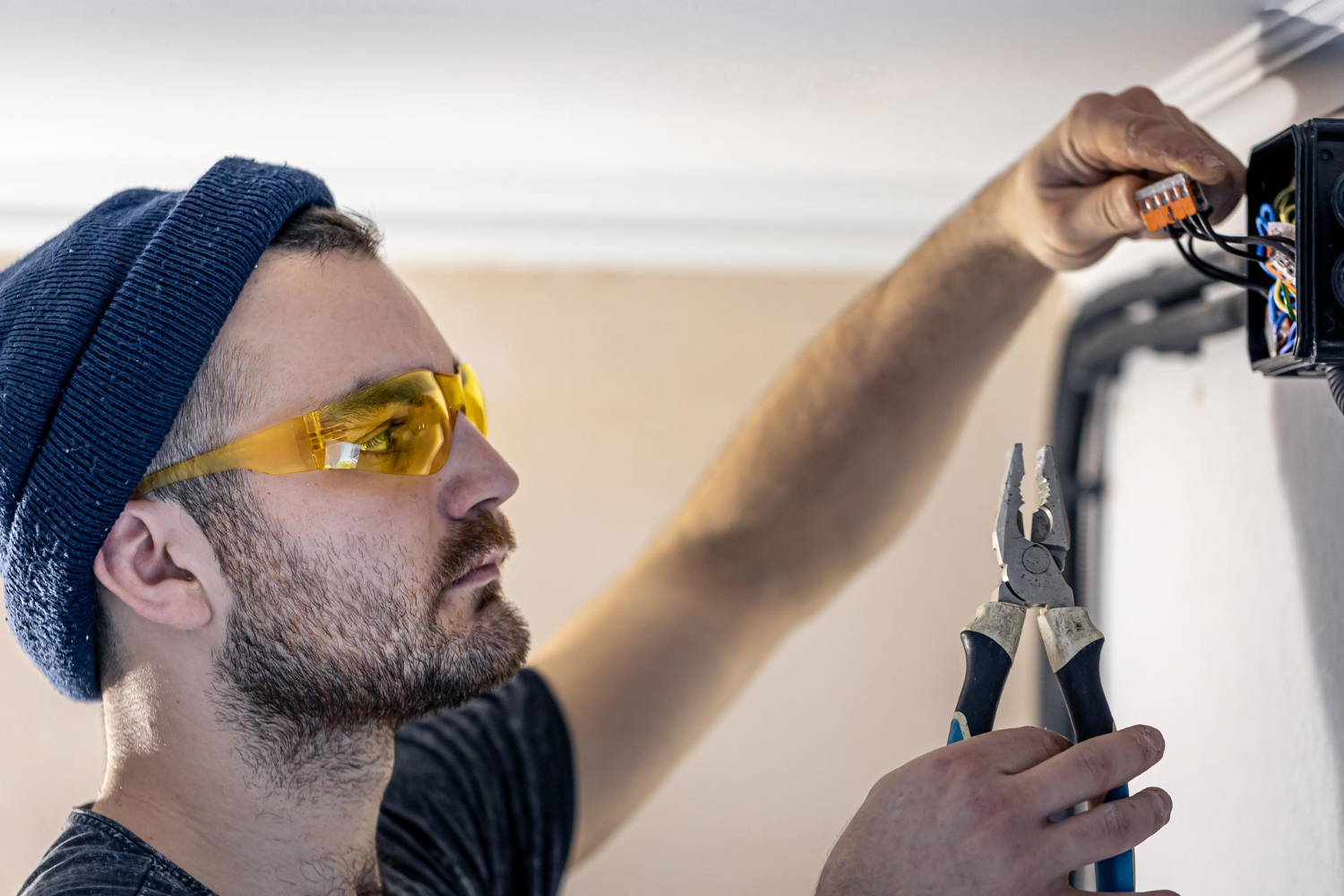
Professional cctv camera installation services can help with planning camera locations, selecting suitable wiring arrangements and ensuring the cameras are properly connected to the recording equipment.
For wired systems, cable routing should be planned carefully to reduce exposure to damage and maintain a neat installation.
Where electrical work is required, it should be carried out by a suitably licensed electrician in accordance with applicable Australian electrical safety requirements.
Professional installation is particularly worth considering when you have a larger property, multiple cameras or a more complex security setup.
What Should You Check Before Installing CCTV at Home?
Before committing to a security camera system, take some time to review your requirements.
Consider these important points:
Storage: Decide how long you want recordings to be available and whether local or cloud storage is more suitable.
Night Vision: Check whether cameras can capture useful footage in low light.
Mobile Access: Confirm whether you can view footage remotely through a secure application.
Weather Protection: Outdoor cameras should be suitable for exposure to rain, dust and changing weather conditions.
Privacy: Make sure camera positioning respects the privacy of neighbours and visitors.
Maintenance: Consider how cameras, cables and recording equipment will be checked and maintained.
Australian privacy and surveillance requirements can vary depending on the circumstances. Homeowners should check the relevant state and territory rules before installing cameras.
Get Reliable CCTV Security System Wiring with Gotham Electrical
So, do you really need CCTV cameras at home? If you want to monitor entry points, keep an eye on outdoor areas or improve visibility around your property, a properly planned CCTV system can be a worthwhile investment.
The key is choosing equipment that suits your security requirements and ensuring it is installed correctly.
At Gotham Electrical, we understand the importance of reliable CCTV security system wiring. Whether you are considering a new security camera setup or need assistance planning your property’s wiring requirements, our team can help you understand the installation considerations.
If you are looking for dependable cctv camera installation services, contact Gotham Electrical today to discuss your requirements and arrange professional assistance.
A well planned security system can give you greater confidence in how your home is monitored and protected.
Frequently Asked Questions
1. Are CCTV cameras really necessary for every home?
No. CCTV cameras are not essential for every household. However, they can be useful for properties with multiple entry points, valuable belongings, limited visibility or previous security concerns.
2. How many CCTV cameras are enough for a house?
The number depends on the property’s size and layout. Many homeowners begin by monitoring the front entrance, driveway and backyard before adding cameras to other areas.
3. Do home CCTV cameras work without WiFi?
Yes. Some wired CCTV systems can record footage locally without an internet connection. However, remote viewing and certain smart features may require internet access.
4. Is wired CCTV better than wireless CCTV?
Wired systems can offer stable connections and continuous power, while wireless systems may provide more flexibility during installation. The better option depends on your property and requirements.
5. Can I watch my home CCTV cameras from my phone?
Yes. Many modern CCTV systems support mobile applications that allow authorised users to view live footage and recordings remotely.
6. Where is the best place to install CCTV cameras at home?
Common locations include the front entrance, driveway, backyard, garage and side access areas. Camera placement should provide useful coverage while respecting other people’s privacy.
7. How long does CCTV footage stay recorded?
Recording duration depends on storage capacity, camera resolution, recording settings and the number of cameras. Some systems overwrite older footage when storage becomes full.
8. Should I hire an electrician for CCTV security system wiring?
For installations involving fixed electrical wiring or mains power, a suitably licensed electrician should carry out the work. Professional assistance can also help with cable routing and system connections